- You have no items in your shopping cart
- Subtotal:
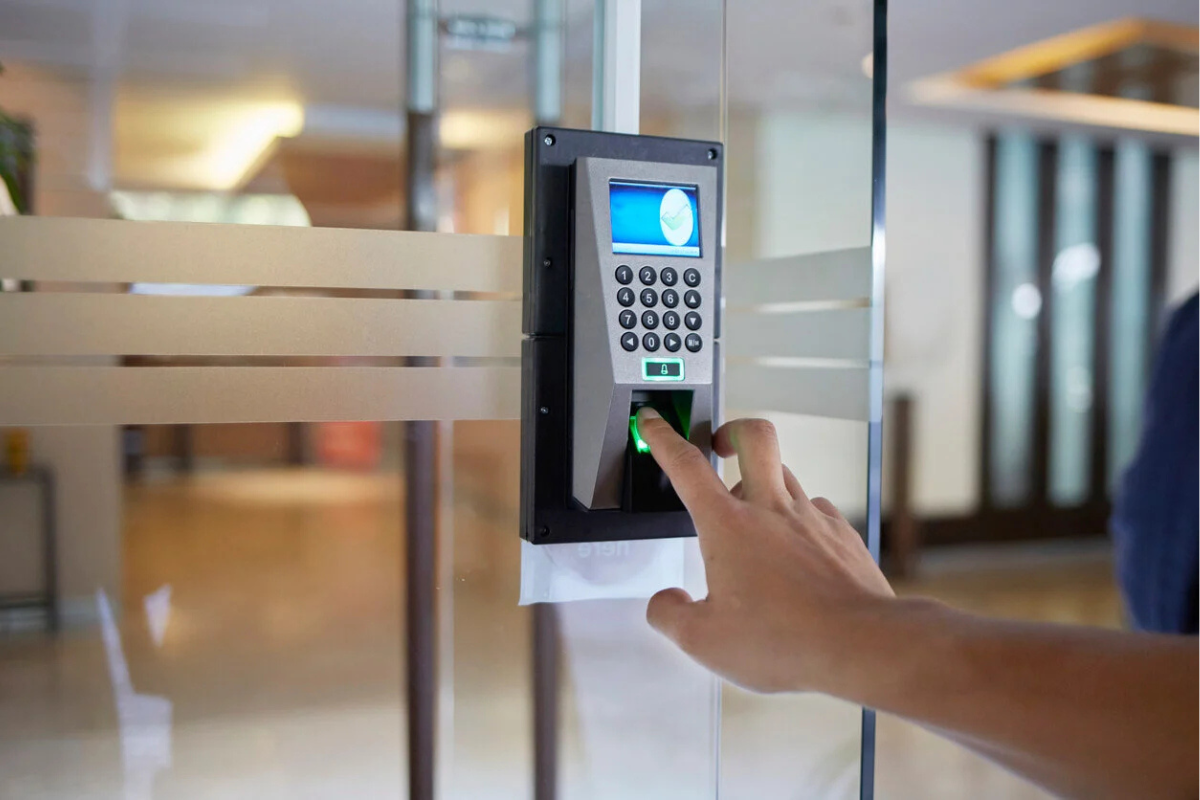
A door access control system serves as a security measure that manages entry into a building or designated areas, ensuring that only authorized individuals are permitted access.
These systems employ a range of methods, such as electronic keypads, proximity readers, or biometric scanners, to authenticate credentials prior to granting access, thereby improving security and facilitating entry management.
What it accomplishes:
-
Restricts entry:
A door access control system limit who can enter a building or specific areas by requiring authentication before a door will unlock.
-
Enhances security:
By controlling access, these systems help prevent unauthorized entry, vandalism, and potential theft, improving overall security.
-
Simplifies access:
Instead of physical keys, access control systems use credentials like key cards, fobs, or even biometric data, making it easier for authorized personnel to enter.
-
Tracks entry and exit:
Many systems log who enters and exits, providing valuable data for personnel management, security monitoring, and emergency situations.
How it works:
-
Authentication:
Access control systems use various methods to verify a person’s identity. This can include:
- Keypads: Users enter a PIN code to gain access.
- Proximity readers: Users present a card or fob to a reader to unlock the door.
- Biometric scanners: Systems scan fingerprints or use facial recognition for authentication.
-
Door control:
The system verifies the presented credentials and, if valid, sends a signal to unlock the door.
-
Management:
Access control systems can be managed through software, allowing administrators to add, remove, or modify user access permissions
Benefits:
-
Increased security:
Access control systems offer a higher level of security compared to traditional keys, as they can be more easily managed and tracked.
-
Improved efficiency:
Eliminating the need for physical keys simplifies access for employees and reduces the hassle of managing keys.
-
Enhanced control:
Administrators can easily monitor who enters and exits, manage access permissions, and track employee attendance.
-
Cost-effective:While the initial investment can be higher than traditional keys, access control systems can be more cost-effective in the long run due to reduced maintenance and replacement costs, and enhanced security.
- What is biometric facial recognition?